



Function
Arizona Birko-Flor Patent Black Patent Walk Edit: First-Week Cork Footbed Break-In, Strap Fit, and Hard-Floor Walking | BIRKENSTOCK Official
The Arizona Birko-Flor Patent, Seen Through a Break-In Lens
The Arizona Birko-Flor Patent in Black Patent is a two-strap sandal with a smooth, high-shine upper and a cork-latex footbed underneath. If you are wearing this model for the first time, the first week is not about forcing comfort. It is about letting the footbed read your foot while you keep the straps honest and your walking surface sensible. The patent finish gives the sandal a clean look, but the real work happens below the foot: the cork-latex base gradually takes on the shape of your heel, arch, and forefoot. That process is gradual, and it is best respected rather than rushed.
This guide focuses on three practical things: first-week cork footbed break-in, strap fit, and walking on hard floors. Those three elements decide whether the Arizona becomes a daily staple or sits by the door. The same principles apply whether you choose Black Patent, Patent Sand, Fuchsia Tulip, Patent Cherry, Patent White, Patent Acai, or Baby Blue. The upper changes color; the footbed and the fit logic do not.
What the Cork-Latex Footbed Is Doing in Week One
The cork-latex footbed is not a cushion that instantly softens. It is a molded base that responds to pressure and warmth. In the first week, you may notice the arch feels more present than you expect, especially if you are used to flat insoles or foam soles. That is normal. The footbed is asking your foot to settle into a neutral position rather than collapse inward. The heel cup should feel like a shallow bowl, not a tight clamp. The toe bar, the slight ridge under the toes, is there to help your toes grip and your foot stabilize during push-off.
During the first few days, wear the Arizona for short stretches. Twenty minutes around the house is more useful than a two-hour errand on day one. The cork-latex footbed warms with your body heat and gradually yields where your foot presses hardest. You are not breaking the footbed down; you are encouraging it to adapt. If you wear the sandal for too long too soon, the arch and heel cup can feel sharp rather than supportive. The fix is less time, not more force.
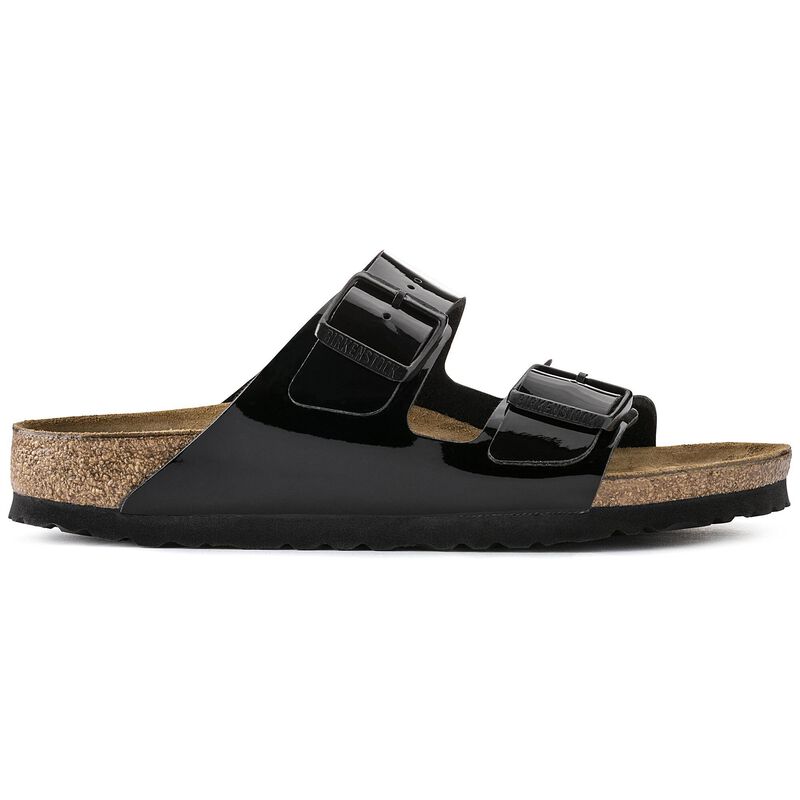
Expect the deepest changes under the heel and the ball of the foot. Those are the highest-pressure zones. The arch typically feels firmer for longer because it is doing structural work. By the end of the first week, many wearers notice the footbed feels less like a foreign object and more like a surface their foot recognizes. That is the cork-latex beginning to take a personal shape.
Strap Fit: Adjust the Arizona, Do Not Overtighten It
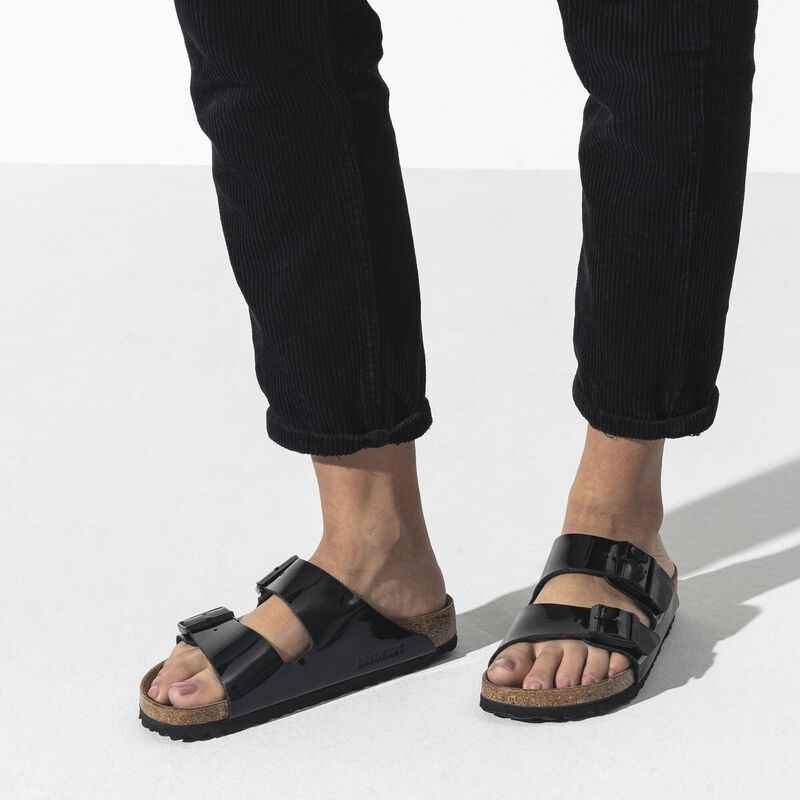
The Arizona has two straps, and each one has a buckle with several holes. The most common first-week mistake is tightening the straps because the footbed feels unfamiliar. That is backward. The straps should hold the foot without pressing it. You should be able to slide a finger under each strap with mild resistance. If the strap leaves a mark on the skin after ten minutes, it is too tight.
Start with the front strap slightly looser than the back strap. The front strap crosses the metatarsal area, where the foot expands when you walk. If it is too tight, your toes will grip harder, and the toe bar will feel aggressive. The back strap sits closer to the ankle and can be a touch more secure, but it should not pin the foot down. The goal is a stable sandal that still lets the foot move naturally.
Birko-Flor Patent is a smooth synthetic upper with a glossy finish. It does not stretch like leather, so the buckle position matters more than the material's give. Take a few minutes to find the right holes before you walk any distance. If you are between holes, choose the looser one for the first week. You can always tighten later as the footbed settles and your foot learns the shape. The same advice applies to the Patent Sand, Fuchsia Tulip, Patent Cherry, Patent White, Patent Acai, and Baby Blue versions. Color does not change fit, but attention does.
Walking on Hard Floors: The First-Week Surface Test
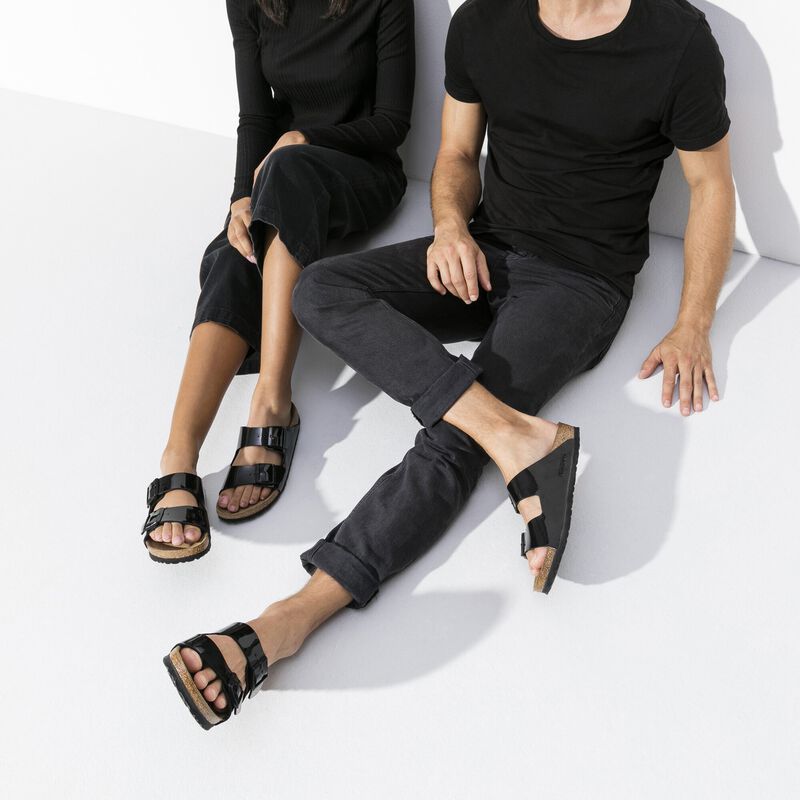
Hard floors are the honest test of a cork-latex footbed. Carpet can hide a lot; tile, wood, and concrete reveal how the sandal handles impact and stability. In the first week, walk on hard floors in short sessions. The footbed will feel firm, and you may notice more vibration through the heel than you would in a cushioned running shoe. That is not a defect. It is the footbed asking your foot to do its share of the work.
Start indoors on a hard floor for ten to fifteen minutes. Pay attention to how your heel lands and how your toes push off. The heel cup should guide your heel toward the center, not let it slide outward. The arch should feel supportive rather than intrusive. If either sensation is sharp, shorten the session and try again later. The cork-latex footbed responds to repeated, moderate pressure, not to one long, punishing walk.
When you move outdoors, choose smooth pavement before rough ground. A quiet sidewalk or a grocery aisle is better than a cobblestone street in week one. The patent upper is easy to wipe clean, but the footbed is the part that needs time. Hard floors teach you where your foot presses and where the sandal still feels new. That feedback is useful. It tells you when to stop and when to continue.
Why the Arizona Is Built This Way
BIRKENSTOCK has been making footwear around the cork-latex footbed for generations. The design assumes that walking is a natural activity, not a medical event. The footbed supports the arch, cups the heel, and gives the toes a place to grip. The Arizona's two-strap construction keeps the foot open and airy while still holding it in place. The Birko-Flor Patent upper is a practical choice for people who want a clean look and easy care. It is not leather, and it does not pretend to be. It is a durable synthetic that wipes down and holds its shape.
The Black Patent color is the most formal of the options, but the sandal itself is casual. That contrast is part of the appeal. You can wear it with socks in cooler weather or barefoot in summer. The footbed does not care about the color. It cares about consistent wear. The same is true for Patent Sand, a softer neutral; Fuchsia Tulip, a bright floral pink; Patent Cherry, a deep red; Patent White, a clean summer white; Patent Acai, a dark berry tone; and Baby Blue, a light pastel. Each one uses the same cork-latex foundation and the same fit principles.
A First-Week Schedule That Respects the Footbed
Day one: wear the Arizona for twenty minutes indoors. Adjust the straps so they are snug but not tight. Stand, walk a few steps, and sit down. Repeat later in the day if you have time. Day two: extend to thirty minutes, still indoors. Pay attention to the heel cup and the arch. Day three: try a short outdoor walk on smooth pavement. Keep it under twenty minutes. Day four: repeat the indoor and outdoor sessions. By now the footbed should feel slightly more familiar.
Day five: wear the sandal for a normal errand, but not a long one. Day six: check the strap holes again. The footbed may have settled enough that you want a slightly tighter fit. Day seven: assess. If the arch still feels sharp, give it another week of short sessions. If the sandal feels stable and comfortable, you can begin wearing it for longer periods. There is no prize for rushing. The cork-latex footbed rewards patience.
Common First-Week Questions, Answered Plainly
Will the footbed feel hard at first? Yes, especially on hard floors. That firmness is part of the support. It softens gradually where your foot presses. Should I wear socks? If the patent upper rubs, a thin sock can help during the first few days. Many people wear the Arizona barefoot once the footbed settles. Can I tighten the straps to make it feel more secure? You can, but do not overdo it. A too-tight strap restricts the foot and makes the arch feel more aggressive. Is it normal for the arch to feel high? Yes, if you are used to flat shoes. Give it time and shorter sessions. Will the patent upper stretch? Not much. Birko-Flor Patent holds its shape, so rely on the buckle holes rather than hoping for stretch.
What about width? The Arizona comes in different width options depending on the color and market. A proper fit means the foot sits inside the footbed without spilling over the edges. If your foot presses hard against the sidewalls, you may need a different width. The strap fit cannot fix a footbed that is too narrow or too wide. Check that your heel sits in the cup and your toes have room to move. The toe bar should sit under the ball of the foot, not under the toes themselves.
Hard Floors, Cork Footbeds, and the Long View
Walking on hard floors in the Arizona is not a compromise. It is a way to feel what the cork-latex footbed is doing. The firmness you notice in week one becomes a baseline you can trust. You learn where your foot lands and how the sandal responds. That awareness carries over to other footwear. The Arizona is not a pillow; it is a platform. The more consistently you wear it, the more it reflects your own stride.
By the end of the first week, the Black Patent Arizona should feel less like a new purchase and more like a tool. The straps should be dialed in. The footbed should show the first faint signs of your heel and forefoot. The hard-floor test should feel less jarring. None of this happens overnight, and that is the point. The cork-latex footbed is a long-term component. Treat the first week as a conversation, not a confrontation. The sandal will do its part if you do yours.
View this BIRKENSTOCK style in the shop
People also search
BIRKENSTOCK men women unisex sizing how to choose
BIRKENSTOCK Arizona white Birko-Flor scuff care
BIRKENSTOCK footbed sandals break-in no blisters
BIRKENSTOCK Boston clog with socks in cold weather
do BIRKENSTOCK sandals work without socks
BIRKENSTOCK Gizeh regular vs platform
BIRKENSTOCK Arizona midnight vs black oiled leather
BIRKENSTOCK Arizona Big Buckle vs classic Arizona
best BIRKENSTOCK for city walking tour
BIRKENSTOCK footbed sandals for standing on hard floors
how to know BIRKENSTOCK size from foot length
BIRKENSTOCK suede vs nubuck which scuffs less
BIRKENSTOCK Boston vs Milano which for commute
BIRKENSTOCK Arizona vs Milano for ankle support
BIRKENSTOCK Arizona two strap sandal fit true to size
BIRKENSTOCK sizing EU to US conversion chart
BIRKENSTOCK Arizona two strap too loose how to tighten
BIRKENSTOCK Arizona white vs black everyday wear
BIRKENSTOCK Boston suede water stains how to clean
BIRKENSTOCK cork footbed squeak how to fix
BIRKENSTOCK Kyoto vs Boston clog comparison
BIRKENSTOCK Arizona outfit with linen summer clothes
BIRKENSTOCK wide width sandals for high volume feet
best BIRKENSTOCK for airport travel and long flights
BIRKENSTOCK Birko-Flor vs leather which lasts longer
BIRKENSTOCK Boston fit compared to Arizona
BIRKENSTOCK kids vs adult sizing for small feet
best BIRKENSTOCK for backyard home and errands
best color BIRKENSTOCK Arizona for everyday
do BIRKENSTOCK sandals run small or large
Trending BIRKENSTOCK searches
summer BIRKENSTOCK outfits
Arizona vs Madrid
Arizona Birko-Flor Patent Black Patent Walk Edit oiled leather
break-in cork footbed
thong sandal Gizeh
BIRKENSTOCK wide width
BIRKENSTOCK travel sandals
BIRKENSTOCK Birko-Flor
BIRKENSTOCK 2026 trends
BIRKENSTOCK beach EVA
BIRKENSTOCK taupe suede
BIRKENSTOCK Big Buckle
regular vs wide BIRKENSTOCK
BIRKENSTOCK Arizona
BIRKENSTOCK stone Arizona
BIRKENSTOCK tobacco leather
BIRKENSTOCK Arizona Birko-Flor Patent Black Patent Walk Edit
BIRKENSTOCK white Arizona
cork footbed care
Arizona Birko-Flor Patent Black Patent Walk Edit cork footbed
